
A life dedicated to Caistor’s past, present and future
We’re excited to share the launch of Voices of Caistor, a new series to celebrate and capture the rich history of Caistor through the voices of residents, from those who have lived here all their lives to those who’ve named the town home more recently.
Through these conversations, this series will uncover not only personal stories and experiences but also lesser-known stories, places and people that have shaped the Caistor we know today.
We begin our series with Alan Dennis, former headteacher at Caistor C of E and Methodist Primary School, lifelong historian, and the driving force behind Caistor’s ever-growing digital heritage archive.
Where it all started…
From headteacher to heritage keeper, Alan first came to Caistor in 1988, somewhat unexpectedly. With a career that began in the secondary school setting, and later primary, Alan eventually found himself moving across the country to take a role right here in Caistor. Stepping into the shoes of ‘headteacher’ at the very first joint Church of England and Methodist primary schools in the country, the longer Alan spent in Caistor, the more he realised just how interesting the town really is, with a remarkable past and often overlooked history.
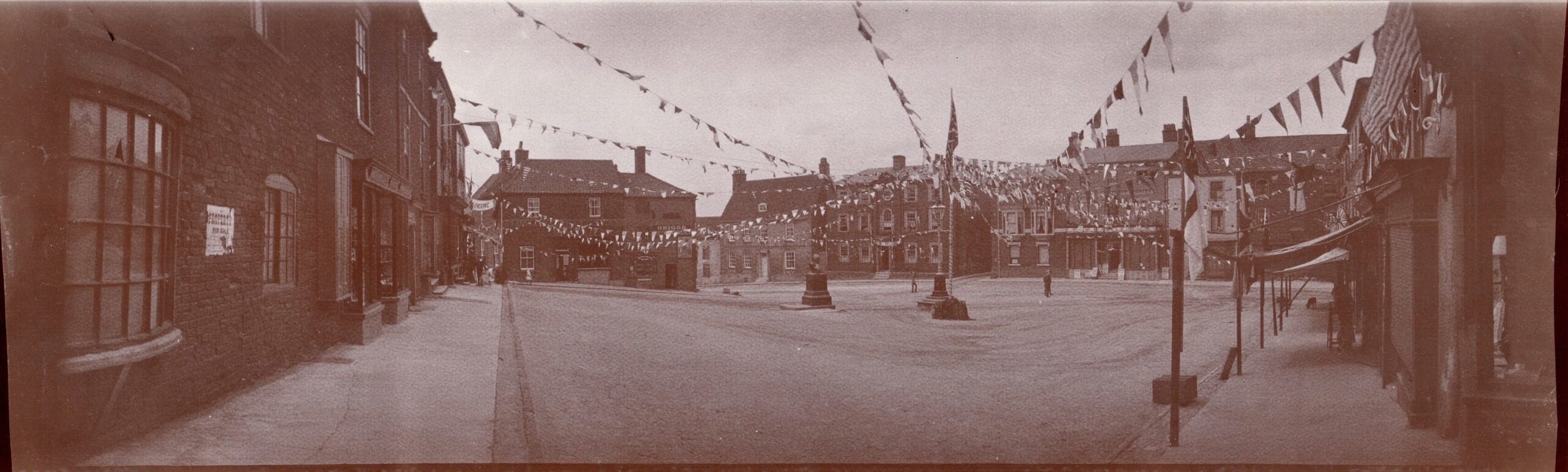
From over 50 listed buildings to a vast number of historical figures that have lived or visited Caistor, including the Romans, the history of Caistor really does run deep. But many of these stories weren’t widely known and still aren’t today, even among the people who have lived here their whole lives.
As time went by, Alan began talking to people, interviewing them and delving into Caistor’s past, to preserve their stories and the town’s history.
Building an archive
Alan’s involvement in the community deepened as he began putting on talks for the older residents of Caistor and the surrounding area, with these meetings soon turning into conversations where the local history of Caistor was really brought to life. Alan started recording these conversations, people trusting him with not only their stories but their photographs, documents and cherished artefacts. What began as a few conversations gradually grew into Caistor’s growing digital archive, earning Alan the unofficial title of Caistor’s Historian.
The digital archive now spans back to medieval times and potentially even earlier to the Anglo-Saxon period, and runs right up to today. Before the formation of the West Lindsey District Council, Caistor was the administrative authority for the northern part of Lincolnshire. The Caistor Rural District Council covered, among many other things, births, deaths and marriages. There are thousands upon thousands of items which Alan has been sharing with the archive to make this information more widely available to everyone, so they really learn about Caistor.
A road to Roman defence
Alan has recently been completing in-depth research and studies into Caistor’s unique street layout, particularly the very streets that surround our current heritage project at 2-4 Market Place: South Street, Mill Lane, High Street and North Street.
“In the back of my mind, it’s always been odd the street network here, and no one’s ever really mentioned it” – Alan Dennis
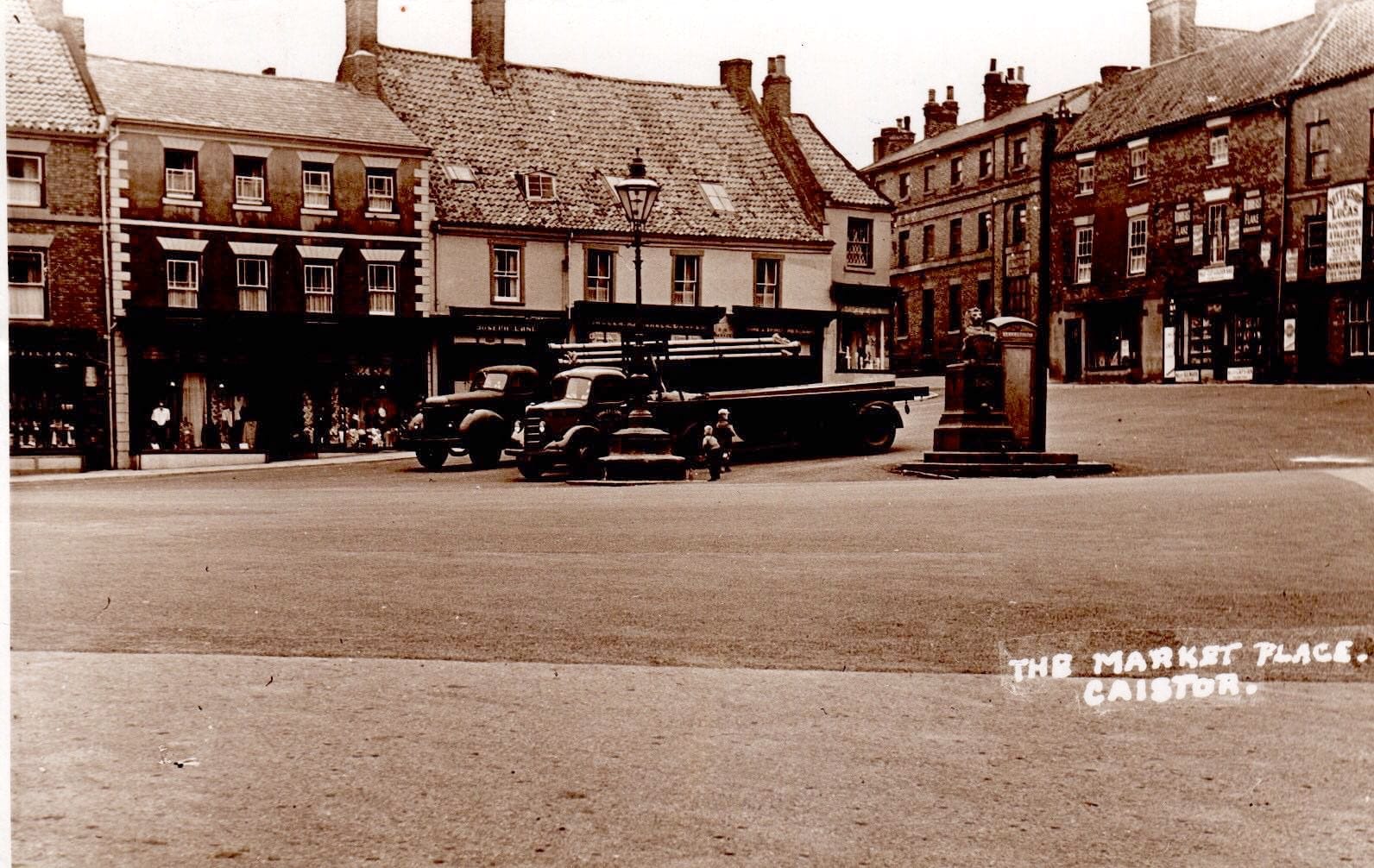
Although it is believed that the marketplace was rebuilt after a major fire in 1681, Alan’s recent findings add a more complex side to the story. From his research, he has discovered patterns in the town’s layout that can be tied back to Roman-era defence strategies, revealing how Caistor’s geography has shaped its development.
With South Street being a main route for connecting Lincoln to Grimsby through Caistor (and still is today), while High Street, just behind 2-4, was a significant route for those travelling from the south. It is believed this route can be dated back to medieval times or potentially even earlier.
Surrounding 2-4, there has also been evidence found of features called burgage plots; these are long, narrow strips of land used to protect towns, and these plots can be found on old Roman fortifications. Therefore, suggesting the streets formed a defence boundary around the Market Place, a theory that connects the current 2-4 heritage project, and the roads that surround it to centuries of strategic planning, all to keep Caistor protected.
Caistor’s surprising connections

The rich history connected to Caistor doesn’t just stop at our unique streets, but stretches across Caistor’s surprising connections to key figures and the wider world.
It’s a tale that is not known by many, but William Booth, founder of the Salvation Army, not only preached here but returned for his final, most memorable visit in 1904. Thousands gathered on the streets of Caistor to catch a glimpse of him and to listen to his farewell speech, as it is believed that Booth had a deep love and connection to Caistor, with some even suggesting he spent his honeymoon here. But William Booth isn’t the only notable name with ties to the town. From William the Conqueror to Princess Elizabeth (later Elizabeth I), the manor of Caistor was owned by the Royal family. Various Kings are known to have visited Caistor on their progress to other regions of the country. According to Alan: “Caistor was the northerly fort that King Stephen had, and records say he visited twice before the Battle of Lincoln.” These connections help tie this small but significant market town to a much wider historical legacy.
Fancy seeing some of our history up close and personal? Join us at our Heritage Open Days Event on Saturday 13th September, where the 2-4 team will be hosting hard hat tours throughout the afternoon, giving guests an exclusive insight into the history of 2-4 Market Place. Find out more and book your spot today!